
International Women’s Day
To mark International Women’s Day, we’re sharing eight portraits – of women, by women – that spotlight some of the remarkable female artists, activists, poets, designers and everyday heroes represented in the Museum of Brisbane Collections. On 8 March, and every day, we recognise and celebrate the vital contributions Brisbane women, past and present, have made toward our city’s vibrant cultural landscape.
Oodgeroo Noonuccal
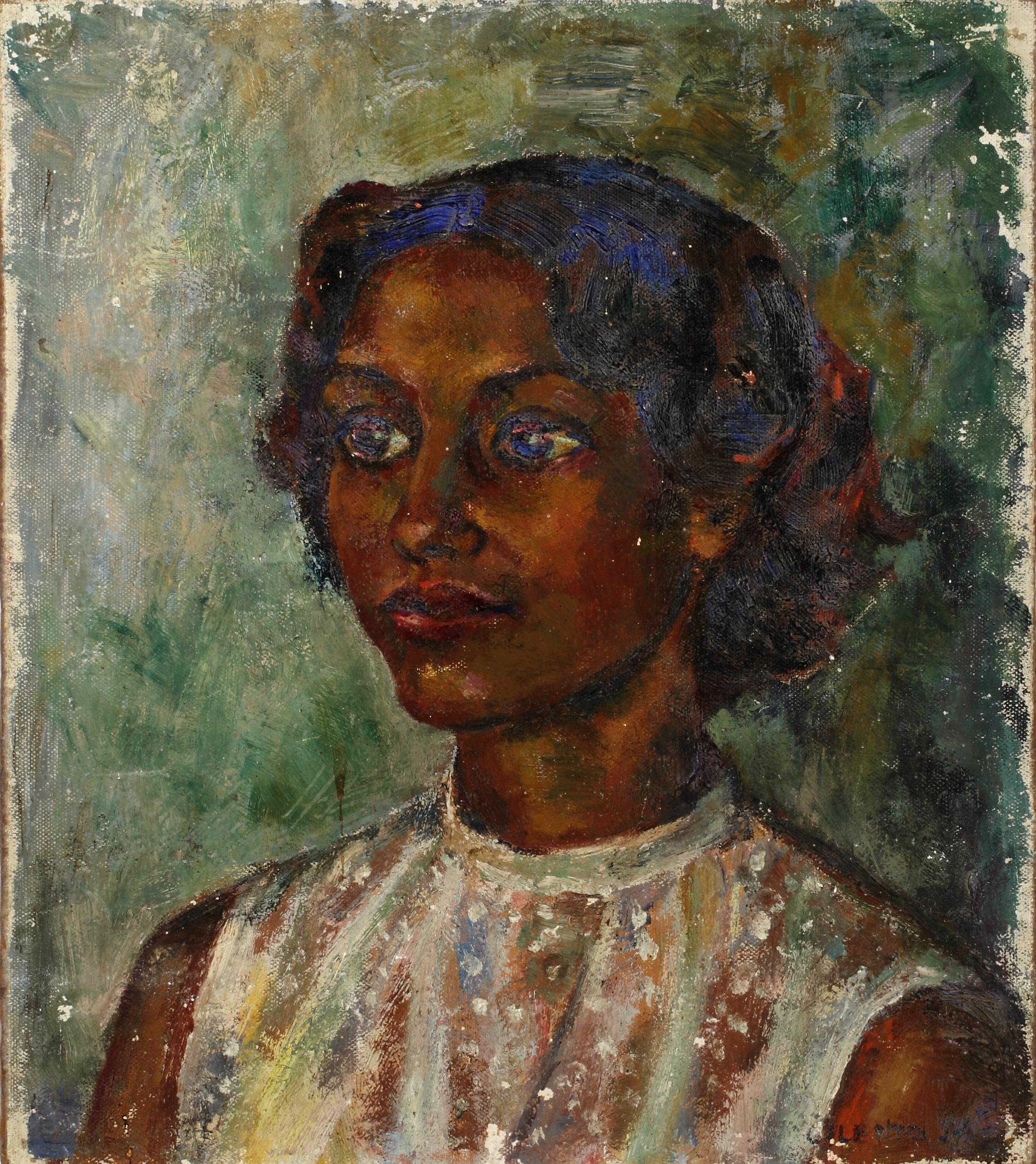
Oodgeroo Noonuccal (1920-1993) was an acclaimed poet, artist and political activist. Born Kathleen Ruska on Minjerribah (North Stradbroke Island), she began writing poetry as Kath Walker after the Second World War. In 1964, she became the first Aboriginal woman to publish a book of poetry with her volume We are going. The publication was an immediate commercial success.
Noonuccal was a passionate and articulate advocate for the rights of Aboriginal and Torres Strait Island people, and the protection and continuation of her culture. Through her writing and participation in various organisations she campaigned for civil rights, social justice and sovereignty for Aboriginal and Torres Strait Island people and created opportunities for children to learn about their culture. In protest against the celebration of Australia’s Bicentenary and the ongoing inequality facing Aboriginal and Torres Strait Island people, she returned her MBE in 1987 and changed her name to Oodgeroo Noonuccal in 1988.
This c1952 portrait was painted by a young Margaret Cilento (1923–2006), daughter of prominent doctors Sir Raphael and Lady Phyllis Cilento, for whom Noonuccal worked as a domestic servant during the 1940s. Cilento, who had begun her arts education under Caroline Barker at Somerville House, went on to attend the East Sydney Technical College, where she was awarded a prestigious travelling art scholarship. During her subsequent periods of study in New York and Paris, she was influenced by developments in contemporary art, including abstract expressionism and colour field painting. Cilento, alongside Jon Molvig, is credited with bringing these influences back to the Brisbane art scene during the mid-20th century.
Pamela Easton
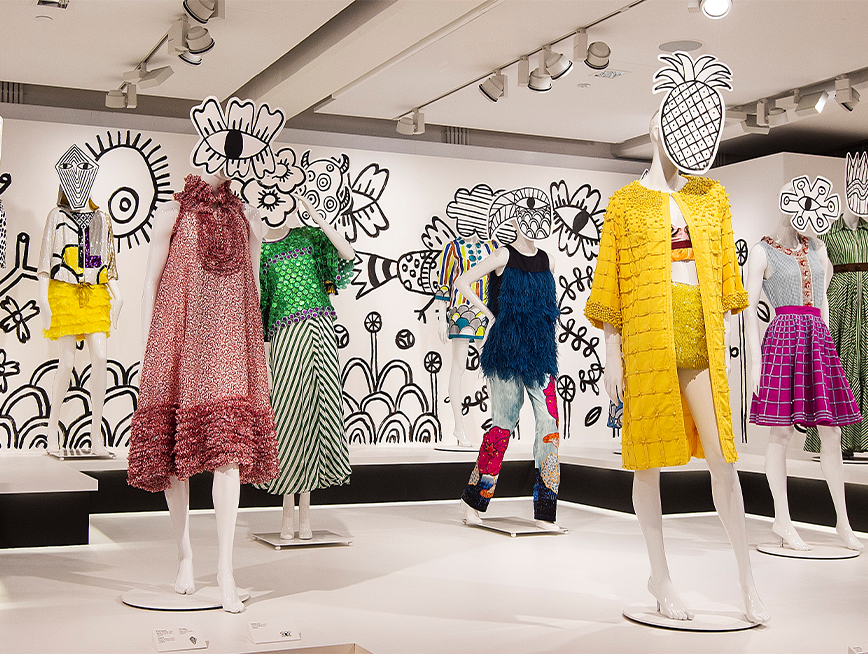
Pamela Easton is a Brisbane fashion icon, widely known as one half of the internationally acclaimed fashion house Easton Pearson. Alongside friend and creative partner Lydia Pearson, Easton ran what was one of Australia’s most successful fashion houses for nearly 30 years. From 1989 to 2016, Easton Pearson was at the avant-garde of international fashion, whilst holding ethical collaboration with artisans and sustainable manufacturing at the core of its brand philosophy. A Brisbane local, Easton worked in the fashion industry for over a decade prior to starting her own label. She first met Lydia Pearson through friends in 1977, though it was not until a decade later that the women commenced their creative partnership.
Museum of Brisbane is home to the Easton Pearson Archive, which features the complete collection of the fashion house, and comprises more than 3,300 signature garments, as well as accessories, original sketches, look books, ephemera and runway footage.
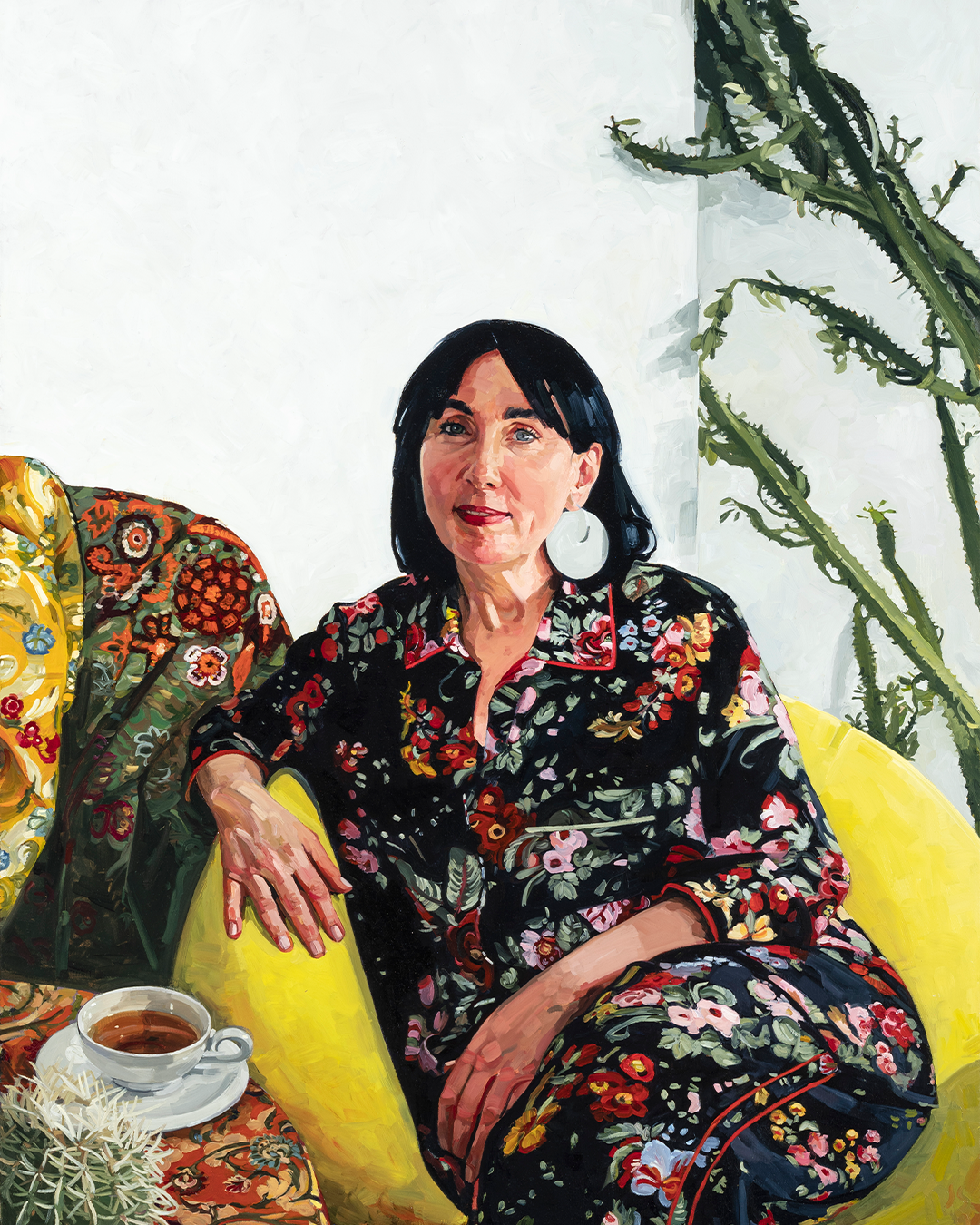
Artist Judith Sinnamon is celebrated for her portraits and carefully crafted studies of Australian native flora. An inquisitive attention to light is signature of Sinnamon’s style, allowing her to capture the most intricate details of form, colour and movement. The artist graduated from the Queensland College of Art in 1984 and has exhibited extensively in Brisbane and beyond. This portrait was a finalist in the 2019 Brisbane Portrait Prize.
Vida Lahey MBE
Vida Lahey MBE (1882-1968) stands amongst Brisbane’s most celebrated painters, remembered for her tireless promotion of the arts in Queensland. Lahey studied at Brisbane’s Central Technical College and the National Gallery School, before spending time in Europe during the First World War. With ample international experience, she returned to Brisbane in 1921. Working across oil and watercolour, Lahey’s still life and interiors were widely appreciated.
Lahey is remembered not only as one of the first women in Queensland to pursue art in a professional capacity, but also as a vital advocate for the arts and art education.
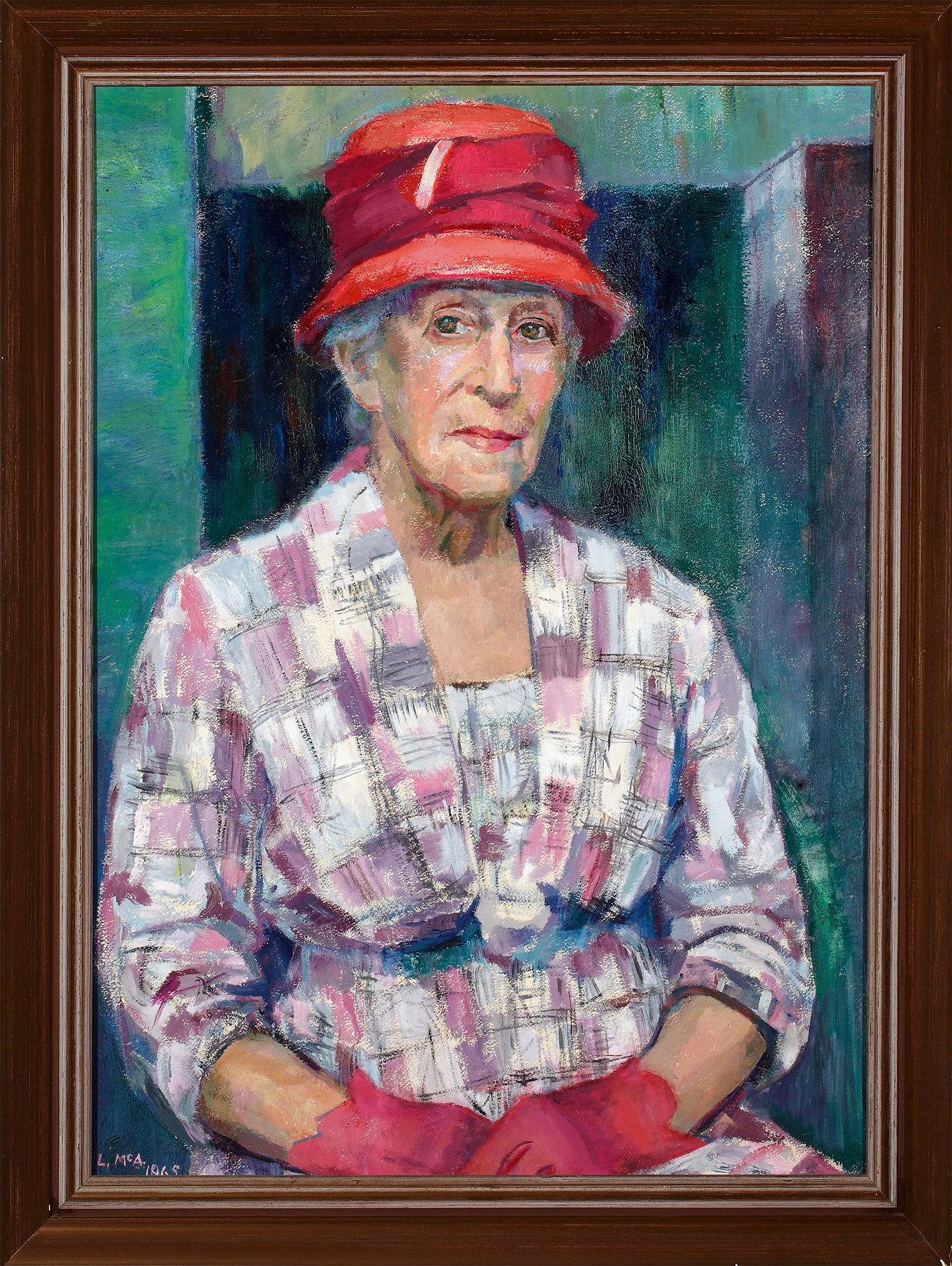
Much of this work occurred alongside friend and colleague Daphne Mayo MBE (1895-1982), the artist behind this portrait. In 1929, the two women founded the Queensland Art Fund, later securing major bequests for the acquisition of significant works for the Queensland National Art Gallery (later Queensland Art Gallery). In 1936, they established the state’s first art reference library. Lahey and Mayo’s pioneering work not only inspired but enabled generations of Brisbane women to engage with the arts.
Daphne Mayo MBE
Daphne Mayo MBE (1895-1982) was one of Queensland’s most significant 20th century artists, known as a painter, leading sculptor and arts advocate. She was educated at Brisbane’s Central Technical College and London’s Royal Academy of Arts, where she was awarded with the gold medal for sculpture. Back in Brisbane, Mayo’s commissions would change the face of the city. Her most notable works include the tympanum relief, The Progress of Civilisation in the State of Queensland (1930), atop Brisbane City Hall, and the Queensland Women’s War Memorial at Anzac Square (1932). Mayo was appointed the first female trustee of the Queensland Art Gallery in 1960; her determined advocacy alongside Vida Lahey having shaped Queensland’s cultural landscape as we know it today.
Tori-Jay Mordey
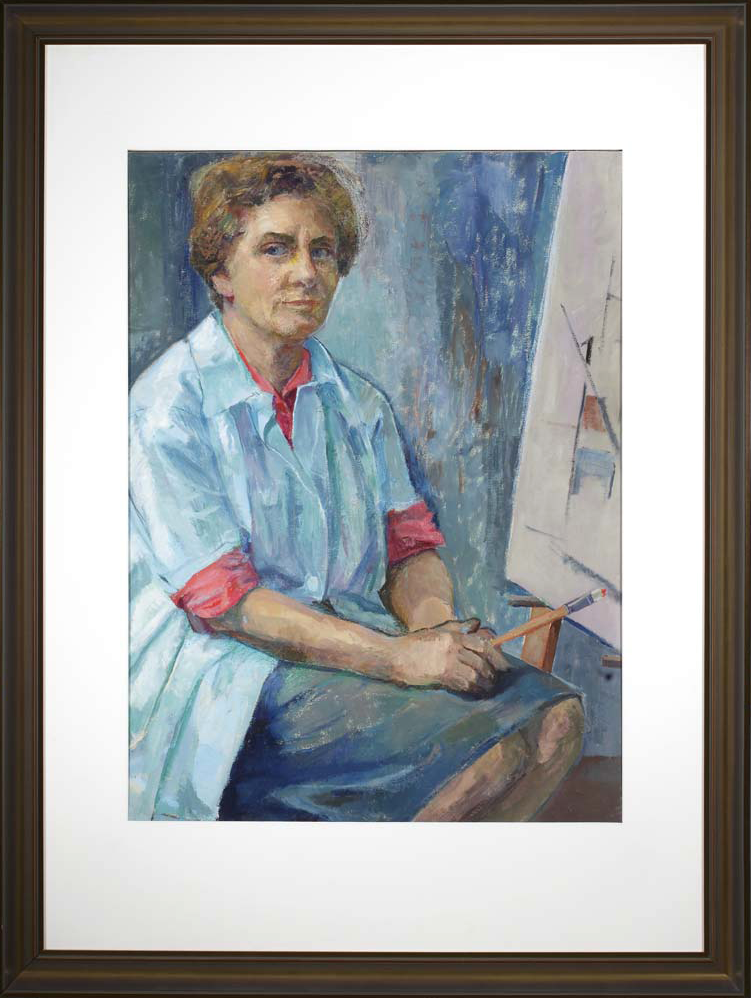
Tori-Jay Mordey (b. 1994) is an established artist and illustrator, born on Thursday Island in the Torres Strait and based in Brisbane. Blending cartoon fantasy and realism, Mordey’s work investigates themes of family and self-identity. Mordey’s 2020 self-portrait explores the artist’s Torres Strait Island and English Heritage. The artwork’s title, Kole ailan gel, is derived from Torres Strait Creole, Meriam Mir and Eastern Island language groups, and is translated by Mordey to “white island gal”. The term is used playfully to identify her, and others, as a Torres Strait Island person visiting from another place. A graduate of Queensland College of Art’s Contemporary Australian Indigenous Art program, Mordey belongs to a generation of young Indigenous women shaping Brisbane’s creative landscape today.

Judith Wright
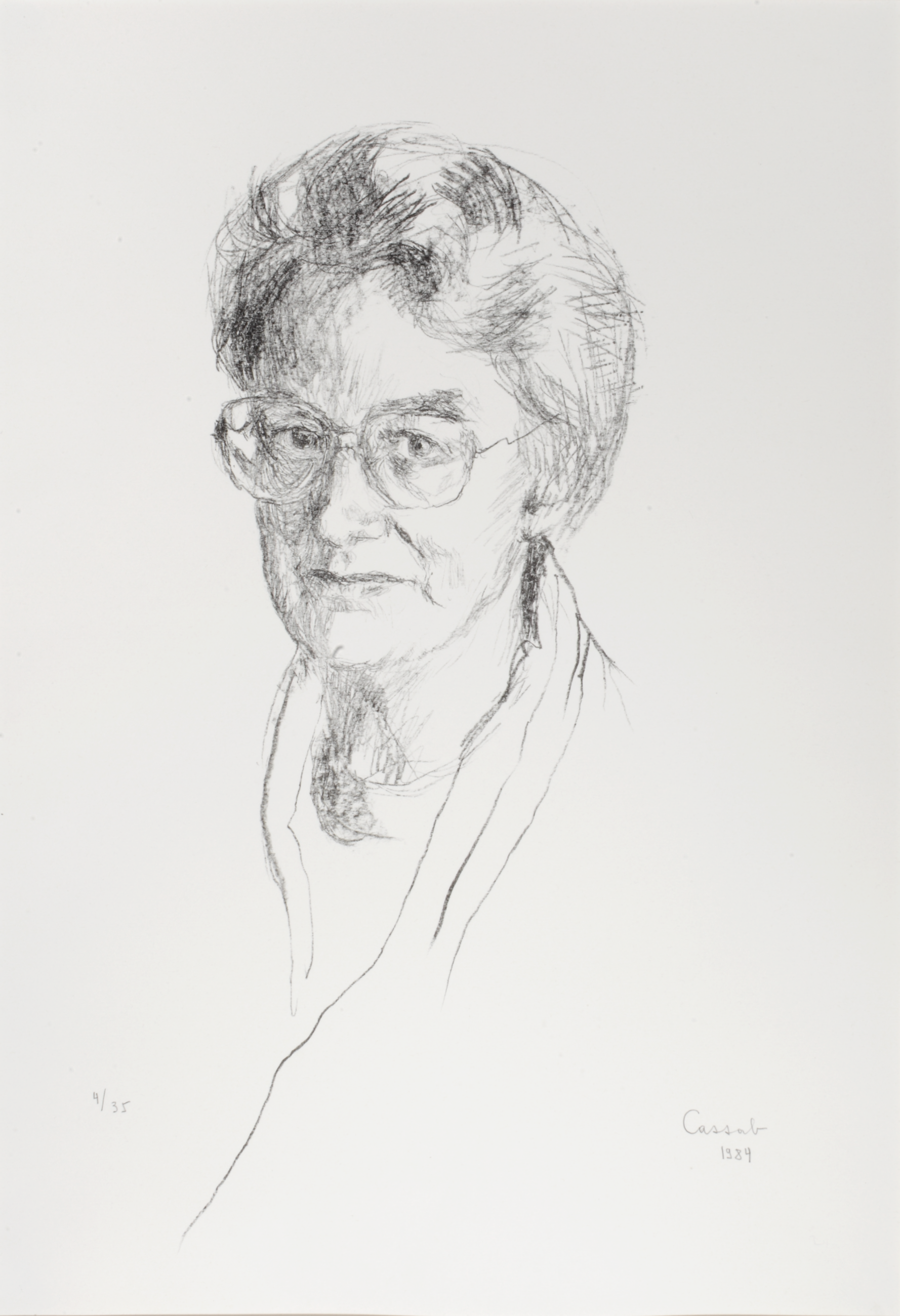
Judith Wright (1915-2000) was an environmentalist, Aboriginal land rights campaigner and one of Australia’s most celebrated literary figures. After studying English at the University of Sydney, Wright spent the war years at her family’s farm in rural New South Wales. It was following this period, in 1946, that she published her first anthology, The Moving Image. Quickly making waves in the literary world, Wright commenced a prolific career that saw her publish over 50 books across a range of genres. Her poetry – deeply entwined with her social and environmental activism – received numerous accolades, including three nominations for the Nobel Prize in literature, and remains central to the Australian literary canon.
This lithograph was included in a portfolio depicting eminent Australian cultural figures compiled by the distinguished portraitist, Judy Cassab AO CBE (1920-2015). Born in Austria to Jewish Hungarian parents as Judit Kaszab, and having survived the atrocities of the Second World War, the artist immigrated to Australia in 1951 alongside her husband and sons. Cassab was a two-time winner of the Archibald Prize – the second woman to receive the prize and the first to gain the honour twice.
Alia
In 2005, Museum of Brisbane commissioned local artist Jo Grant to document a variety of gardens cultivated by Brisbane migrants. Grant focused on 20 migrant gardeners from 10 cultural groups, capturing the faces behind this fleeting suburban heritage. Among them was Alia, pictured here in the garden of her Chermside home, proudly holding a thriving potted poinsettia. Fleeing war in Afghanistan, Alia and her family arrived in Brisbane in 1987. Here, she dedicated countless hours to establishing and nurturing an immaculate garden that served her and her family as a space for respite and celebration. Growing produce from her home country alongside native flora, Alia’s suburban haven was a way of ‘putting down roots’ in a new place.

Sallyanne Atkinson AO
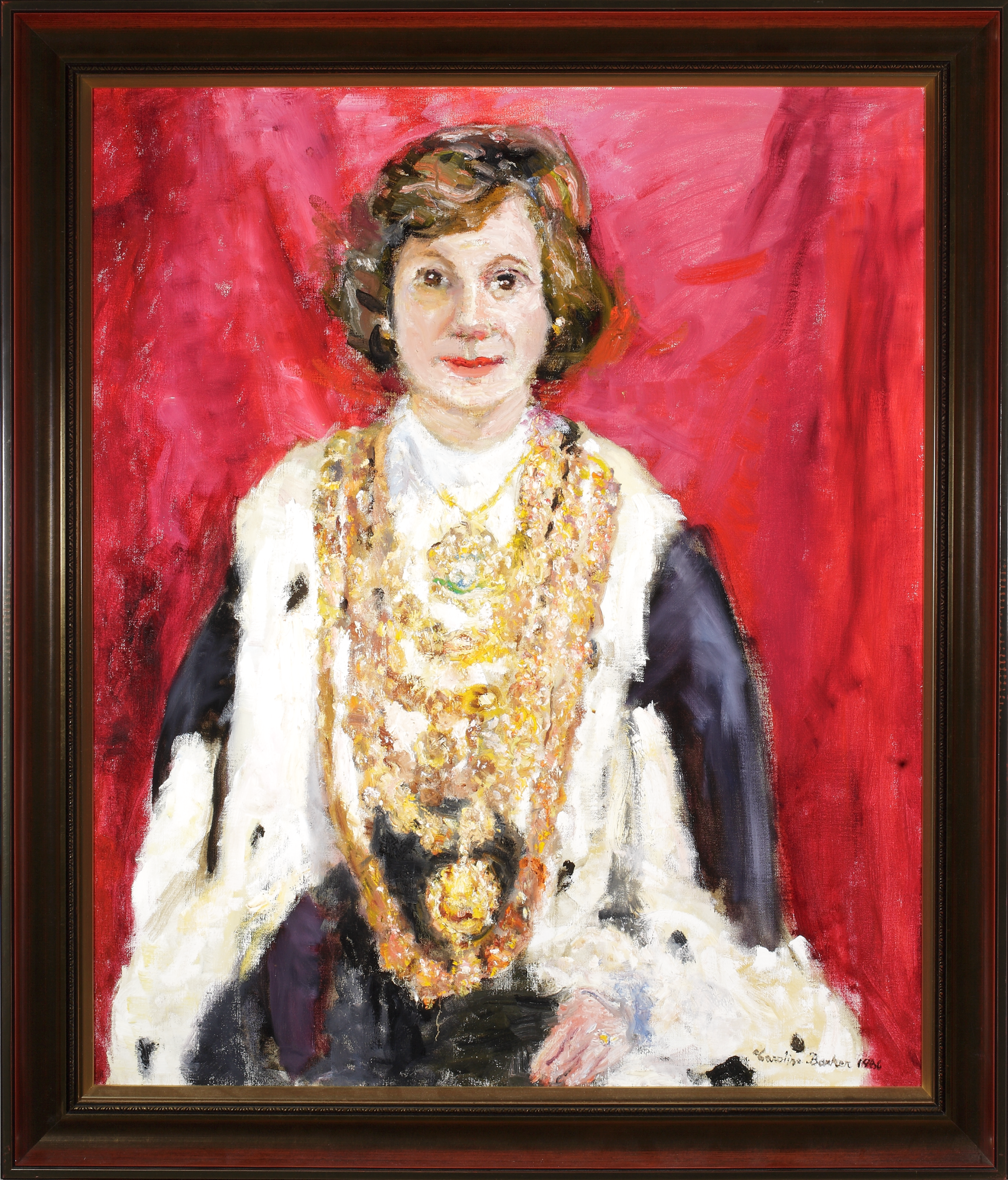
Sallyanne Atkinson AO (b. 1942) became the first (and to date only) female Lord Mayor of Brisbane in 1985, serving two terms in the role during a time when men dominated politics. Her vision for the city saw a foregrounding of arts and culture, and the river embraced as a key lifestyle asset. In her subsequent career, Sallyanne held senior roles representing Australia’s international trade interests and serving on the Australian Olympic Committee. She served as Chair of the Museum of Brisbane Board from 2012 to 2022 and remains the Museum’s Patron since 2023.
Sallyanne’s official mayoral portrait was completed by the then 92-year-old Caroline Barker OBE (1894-1988) in 1986. Barker, known primarily for her portraits and still life, is recognised for her significant contributions to the nascent Brisbane art scene. The artist began her studies in drawing and painting at the National Gallery School in Melbourne, before travelling to London in 1923, where she was accepted into the Royal Academy Schools of Art. Upon returning to Brisbane, Barker’s studio on George Street became a popular hub for international creatives during the wartime period. As an art teacher at Brisbane’s Somerville House, Barker taught and inspired future greats Margaret Olley, Betty Churcher and Margaret Cilento.
Museum of Brisbane cares for a significant collection of art works, historical objects, paper items and fashion garments, housed in two collections: the City of Brisbane Collection and the Museum of Brisbane Collection, which includes the Easton Pearson Archive.
Our collections continue to grow through focused purchases and donations. Many works have been commissioned from contemporary Brisbane artists and makers — reflecting on, reimagining and rejoicing in life in Brisbane.
We invite you to strengthen our collections through joining the MoB Giving Community.