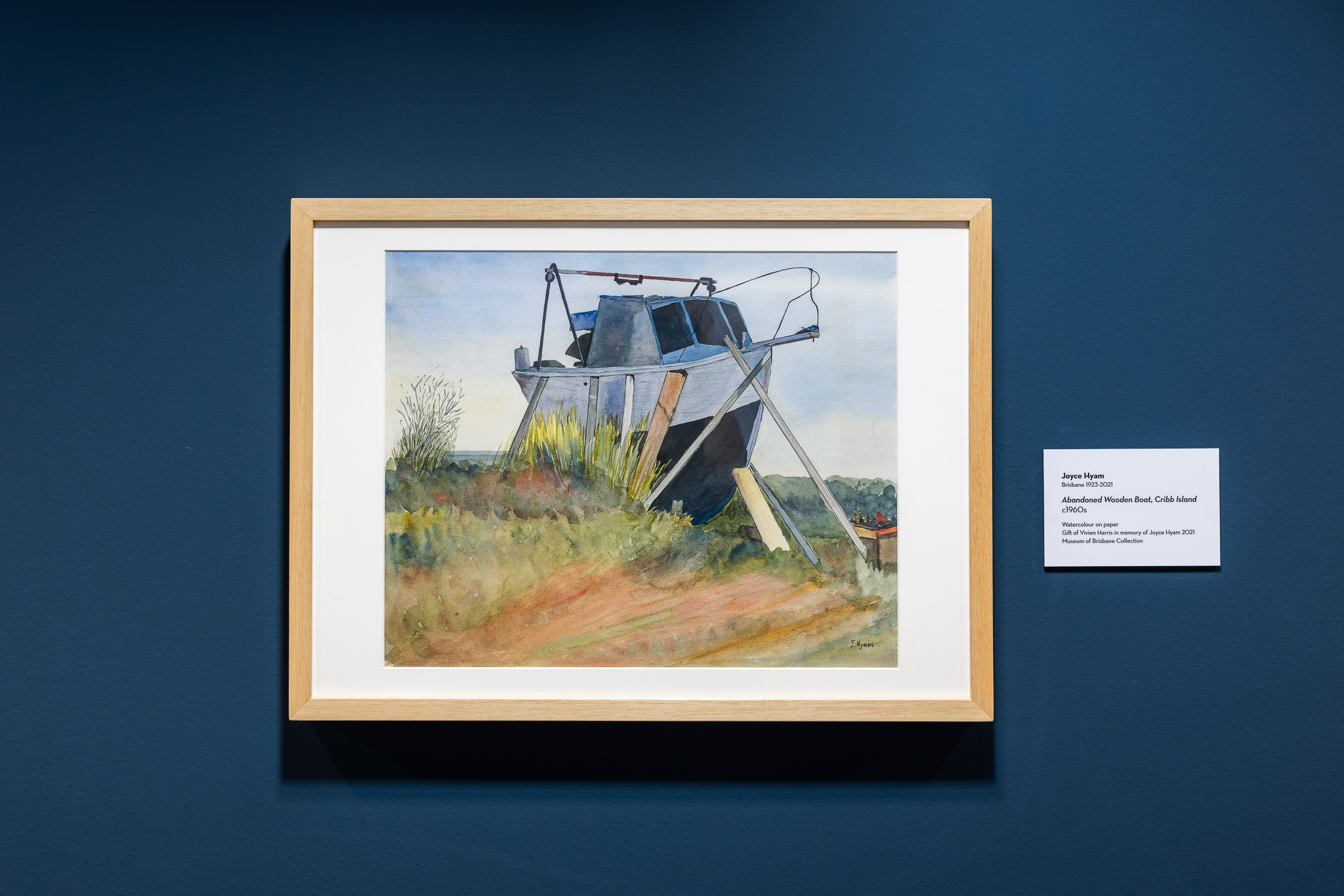
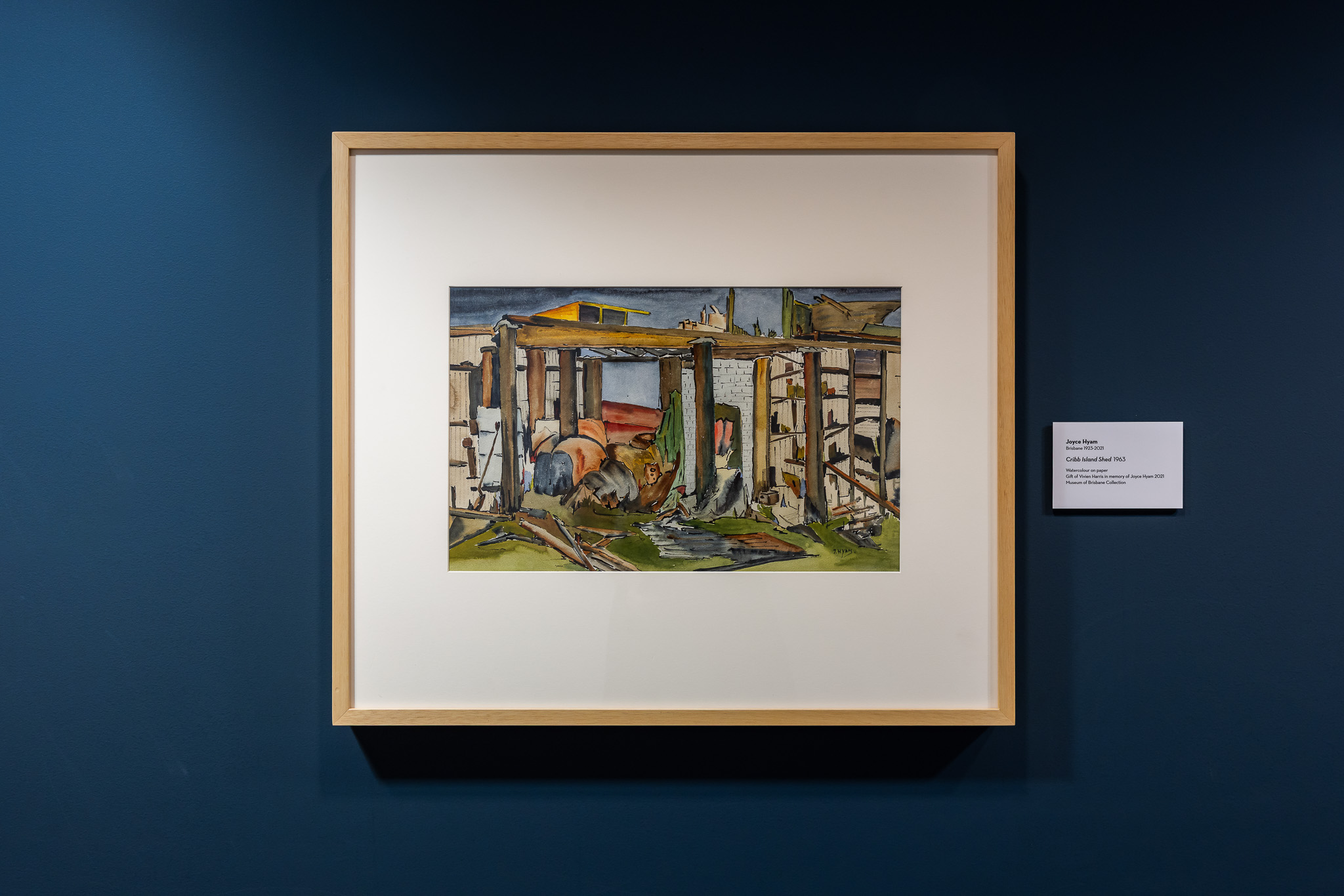
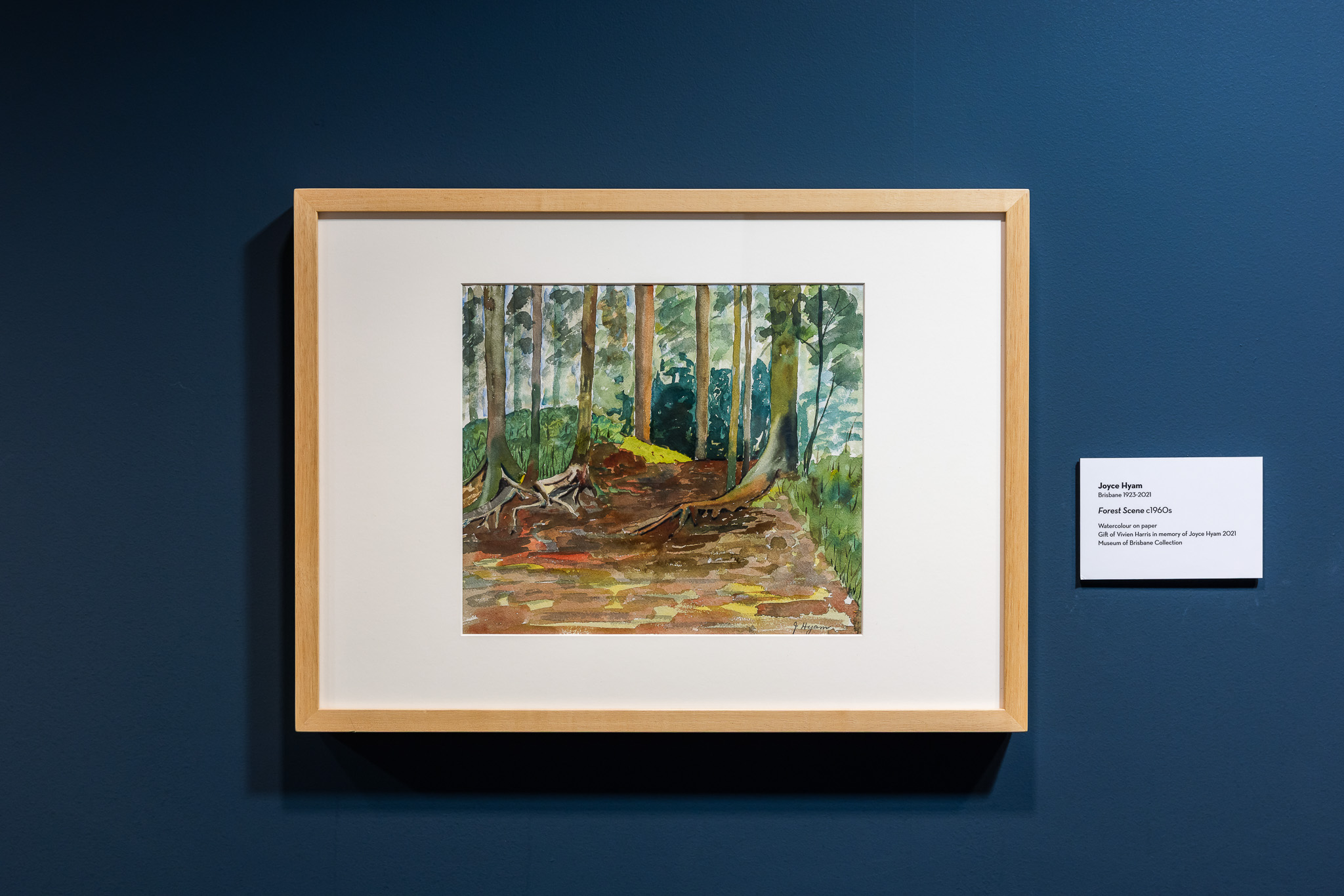
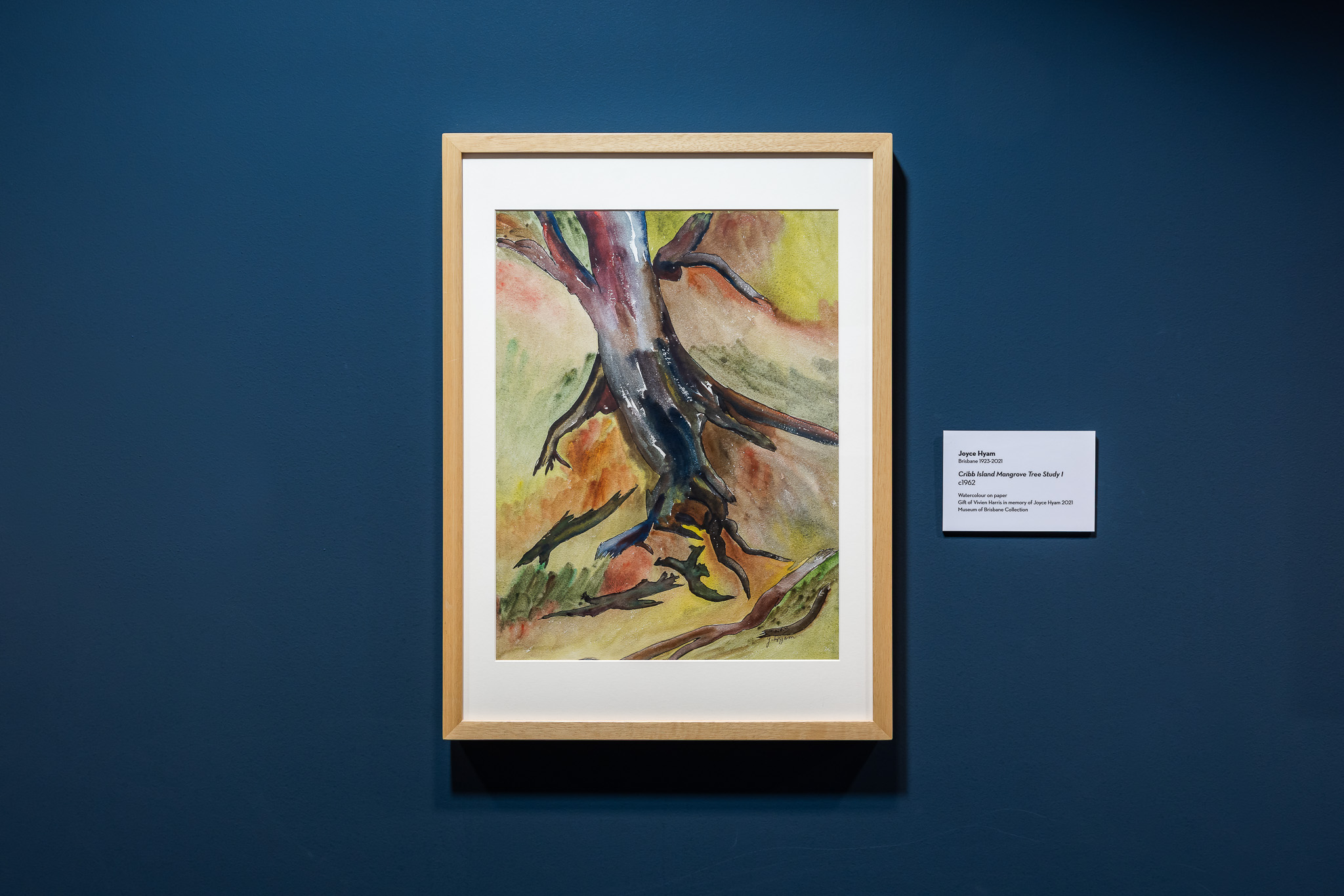
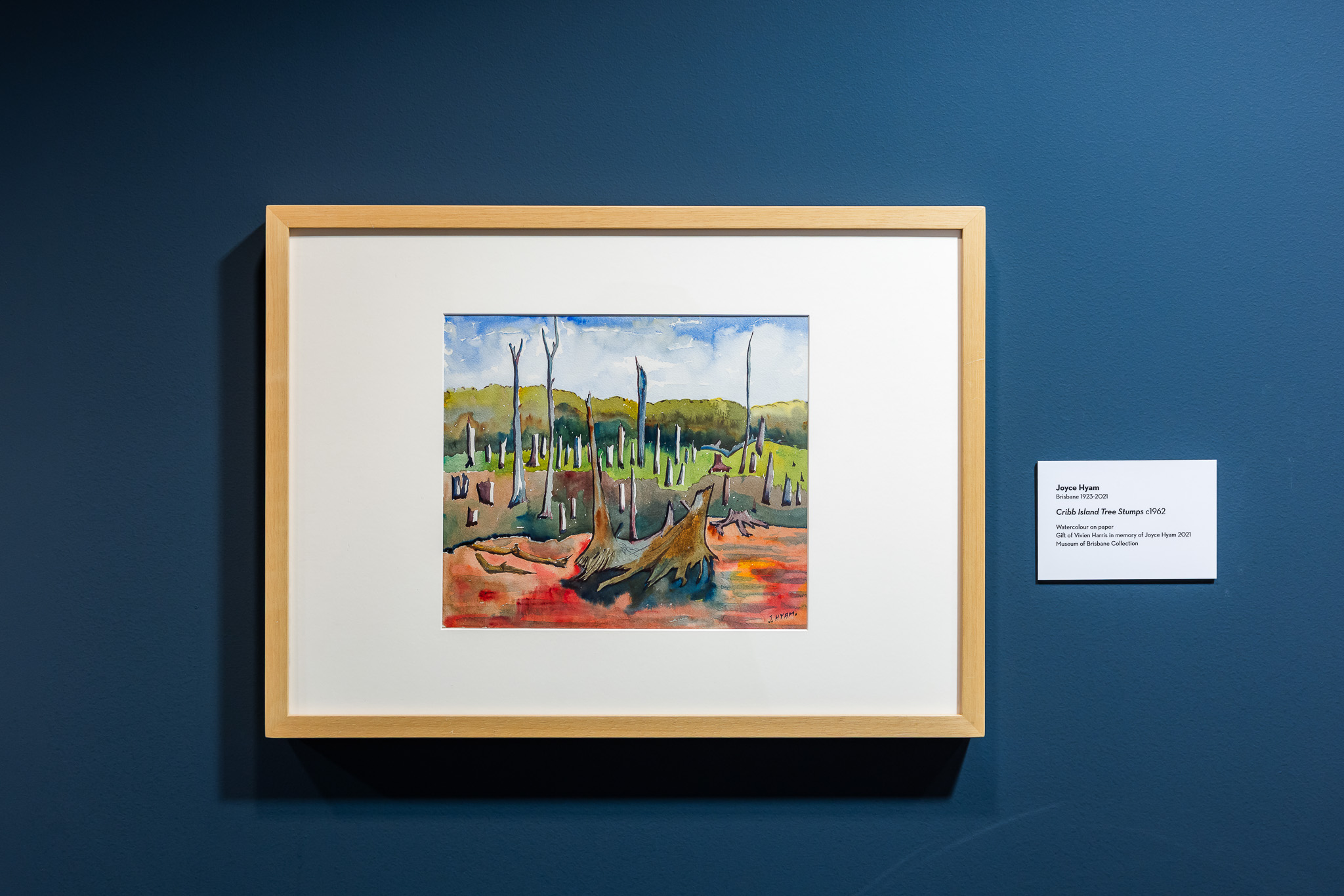
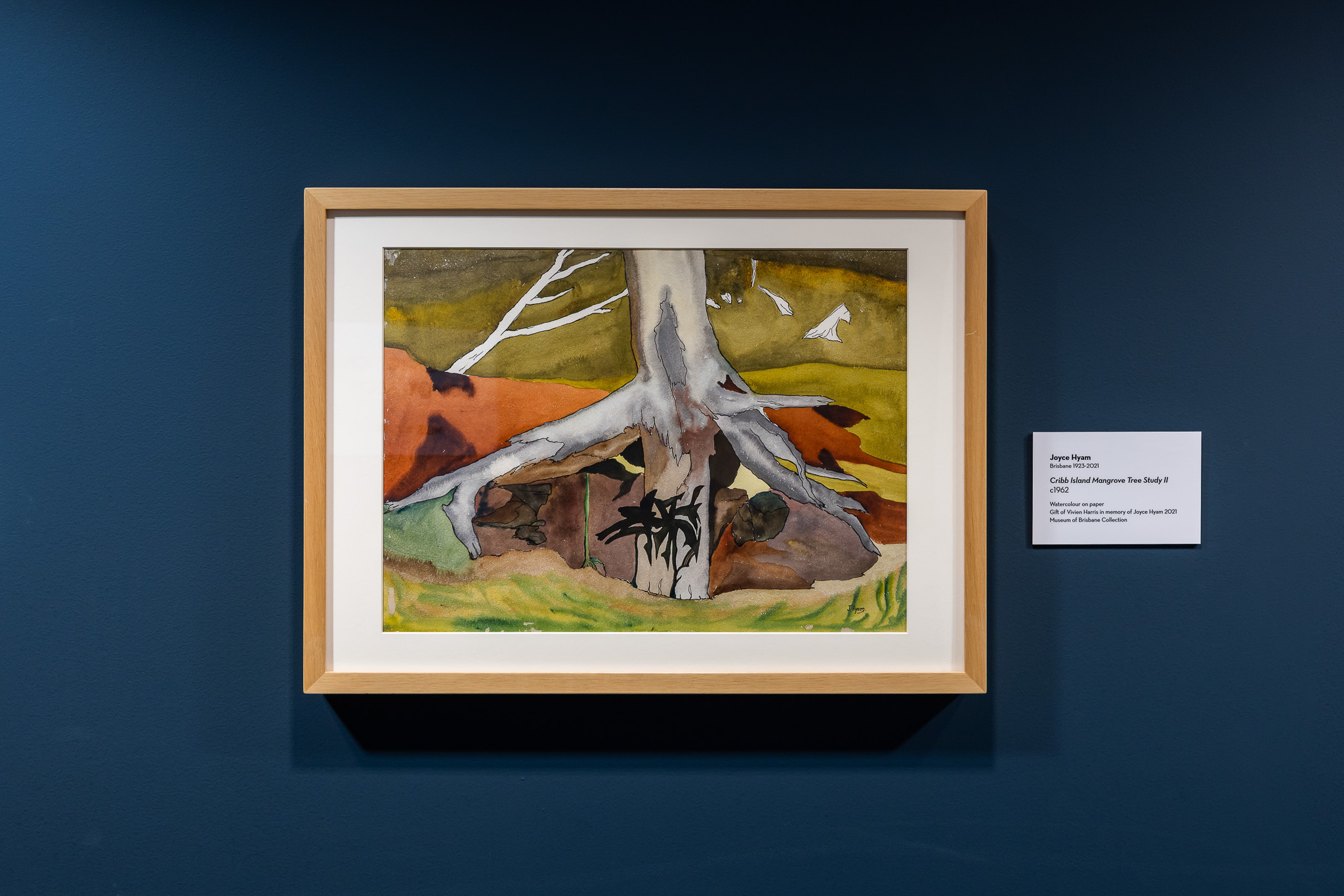
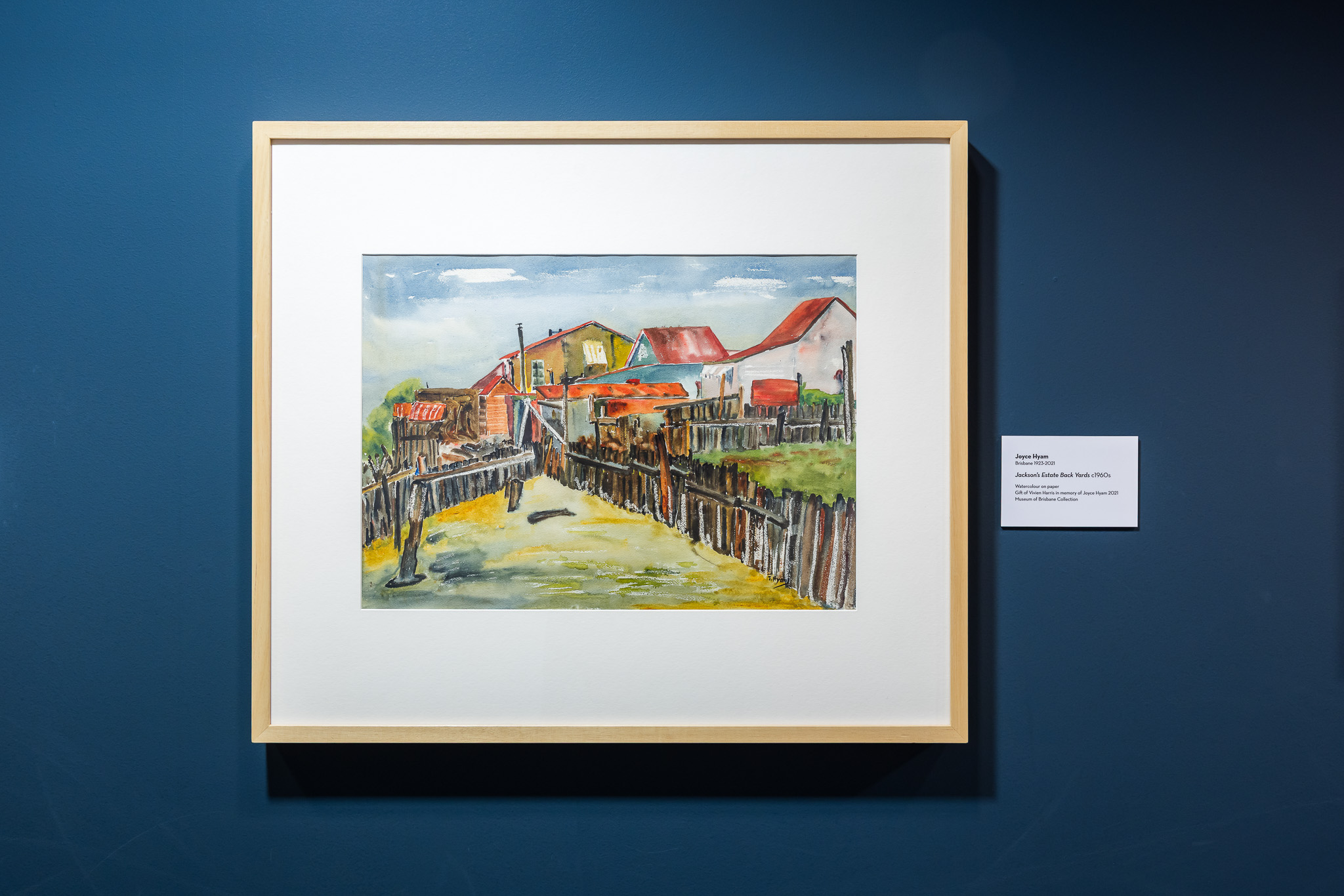
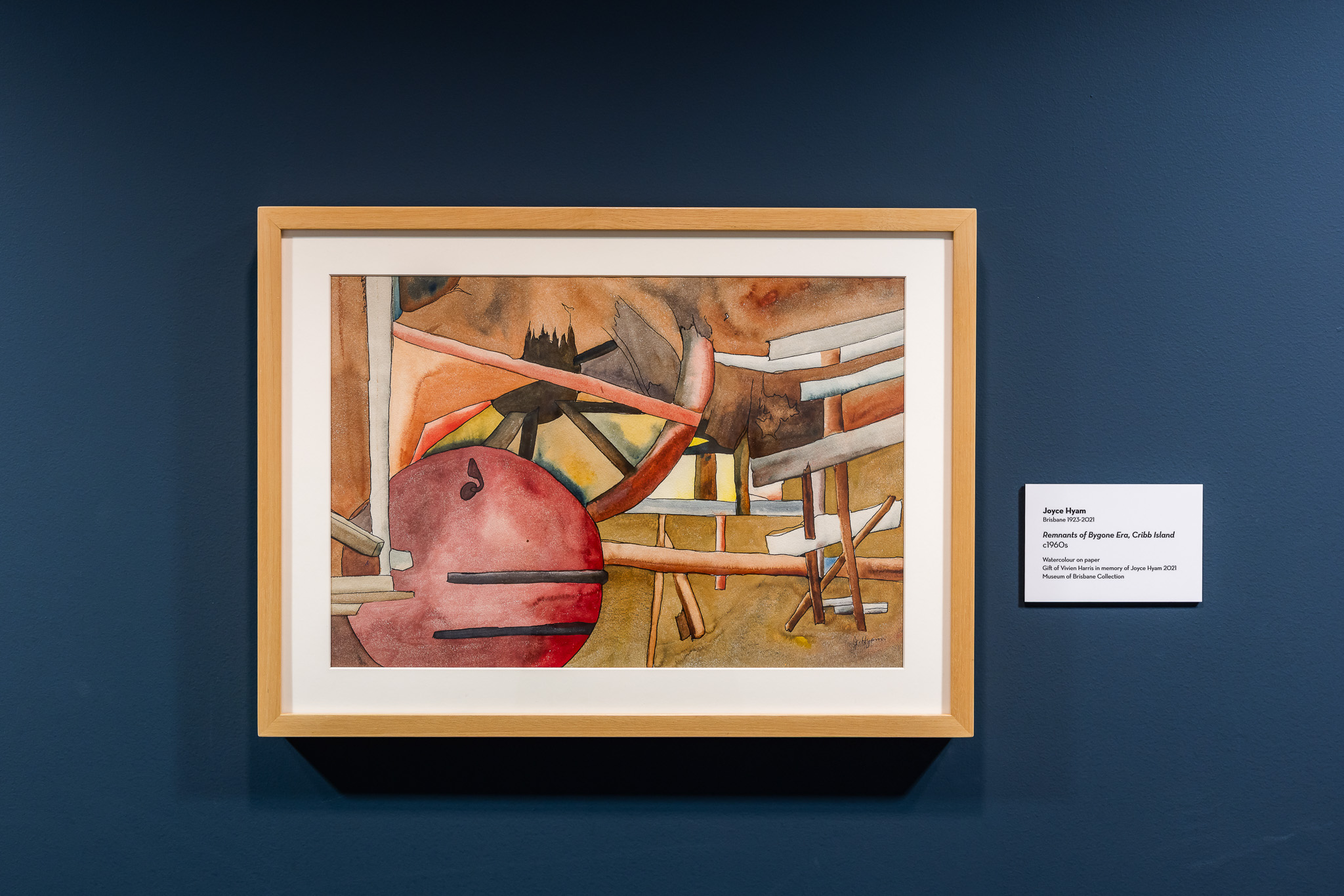
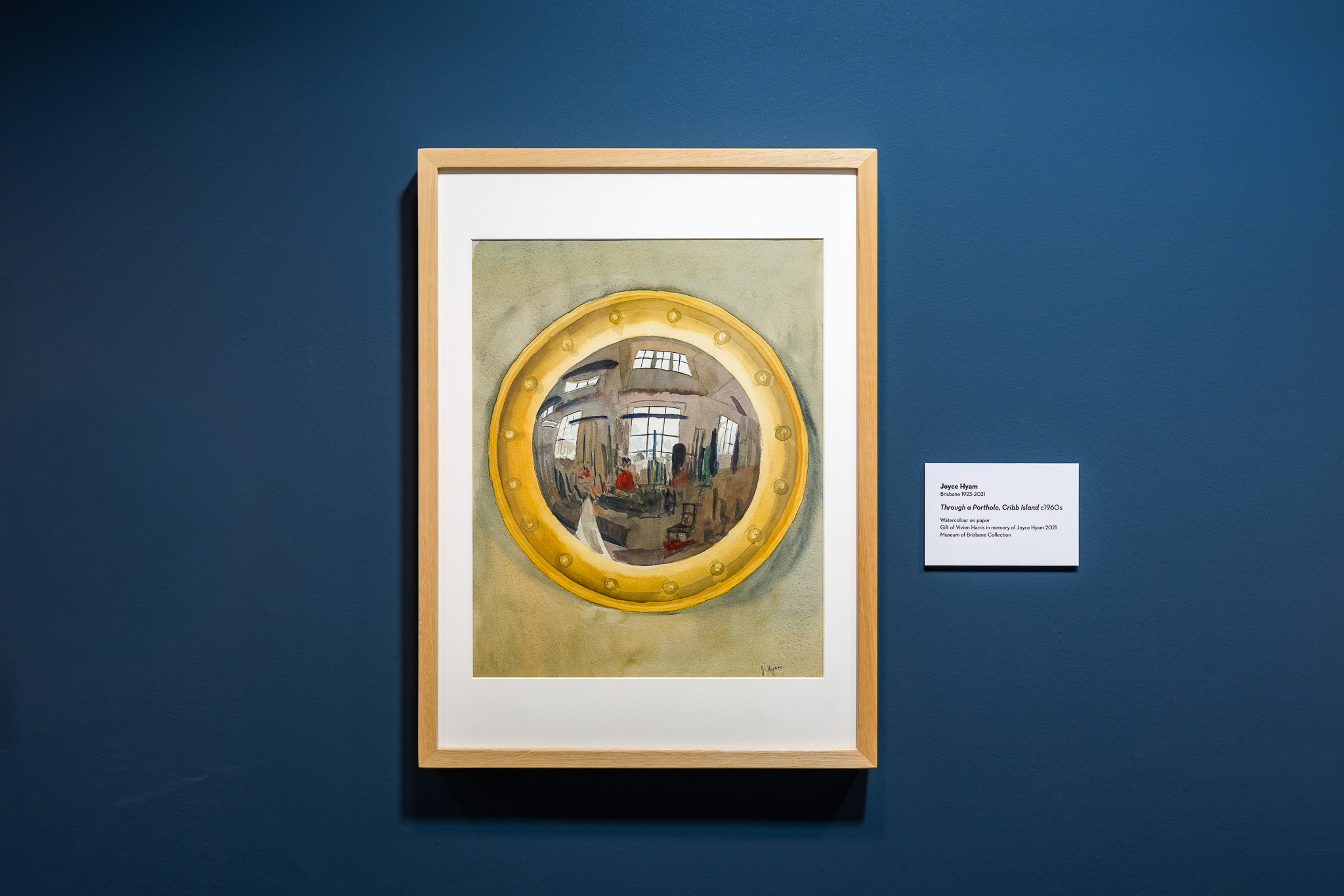
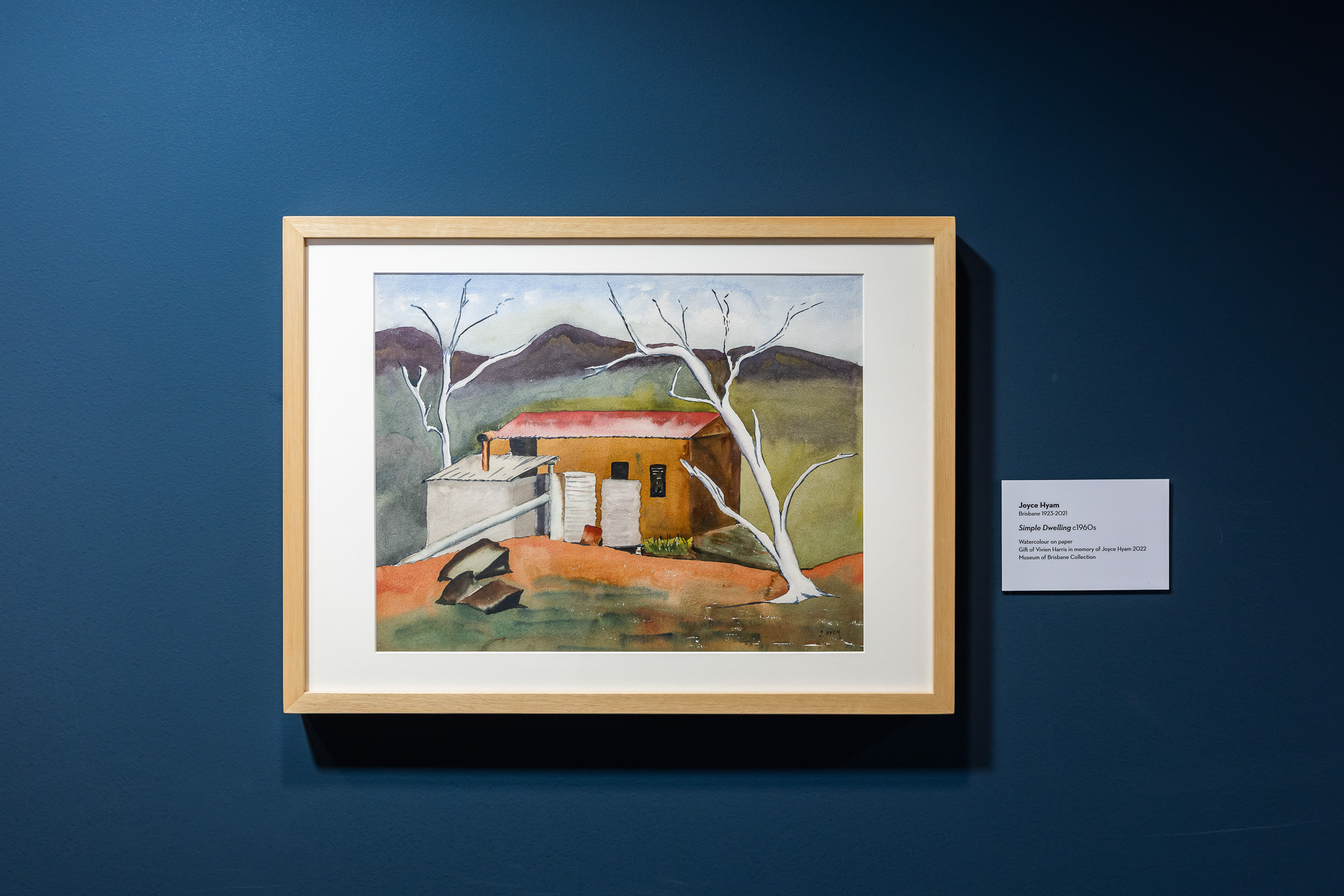
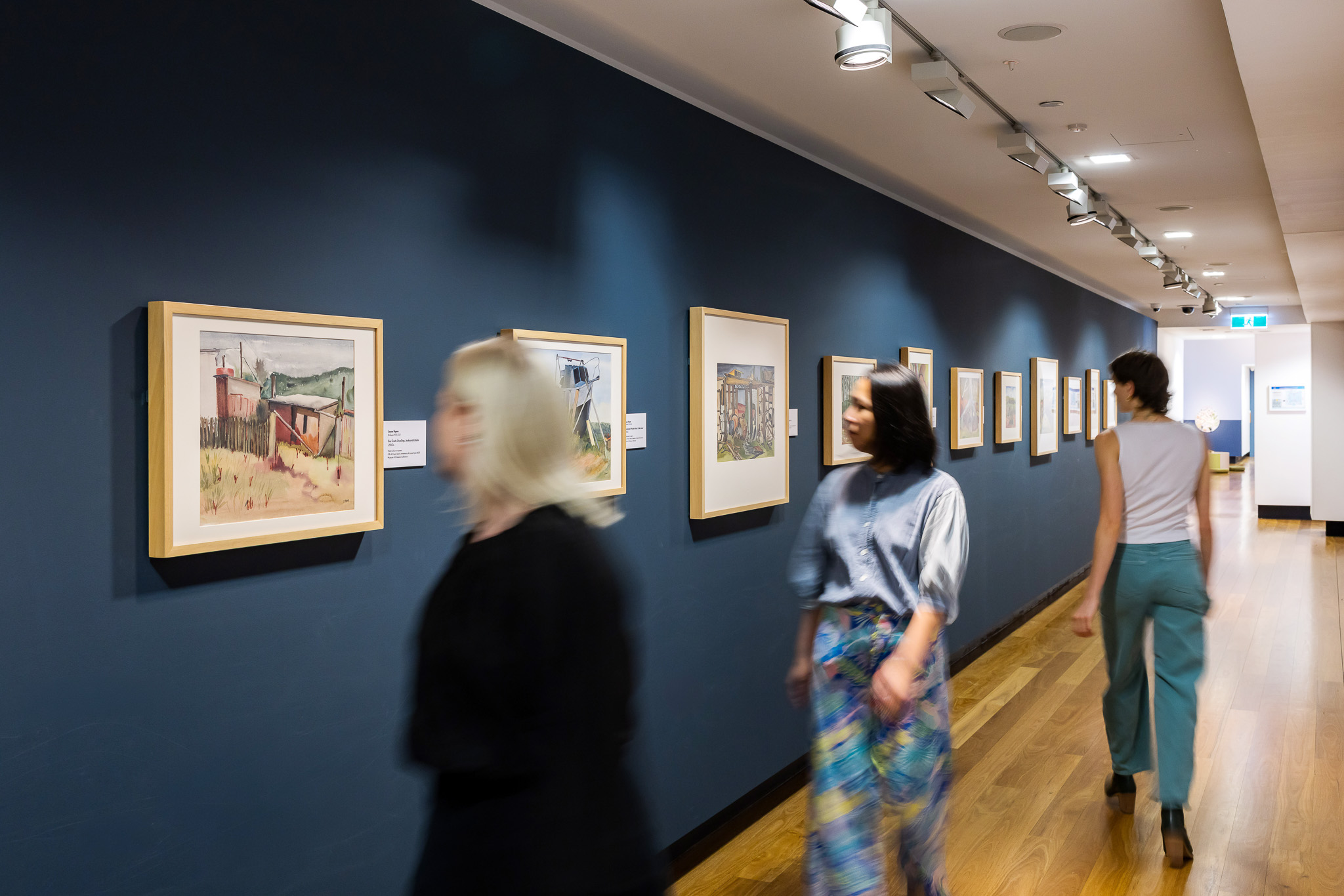
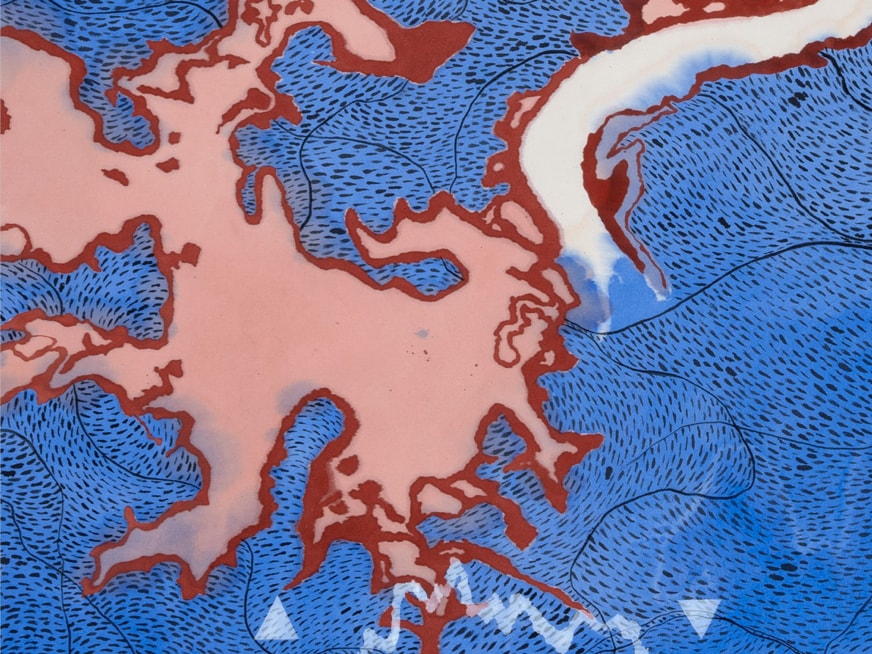
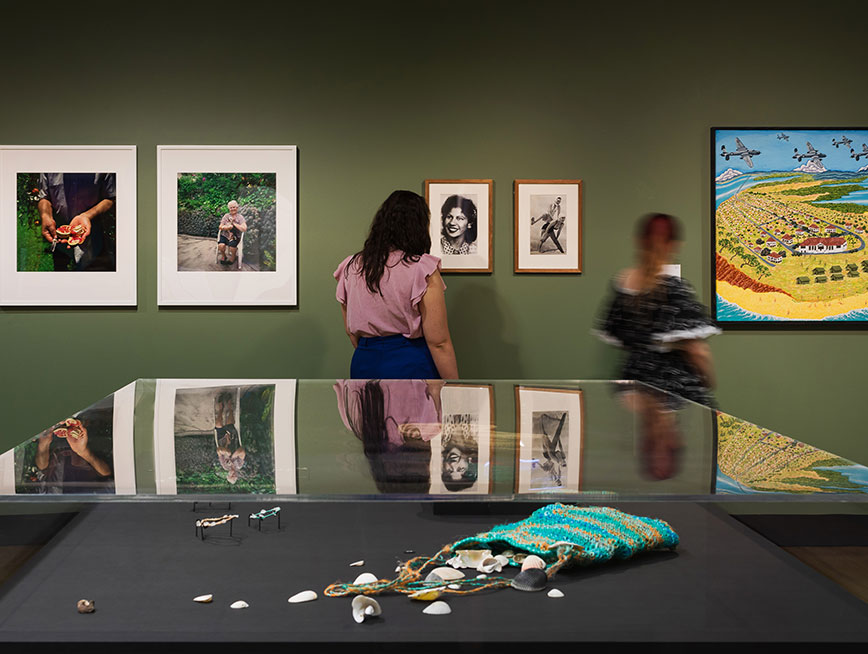
Through her inky watercolour series, Cribb Island: Brisbane’s Lost Suburb depicts the fragmentary scenes of collapsed housing with rusted roofs and broken fences, abandoned boats and mangrove trees.
Cribb Island was once a vibrant suburb built on the Traditional Lands of the Yuggera and Turrabul people, who camped, hunted and cared for the area for over 65,000 years. Affectionately known as ‘Cribbie’, this popular seaside destination offered affordable housing during the Great Depression and was the childhood home of the Bee Gees.
Though the suburb no longer exists, and now forms part of the Brisbane Airport, Cribb Island endures in memory, in story, and now in art. This exhibition invites you to revisit a place lost to time, but not forgotten.
This exhibition was on display from 20 September 2025 to 26 July 2026.
We respectfully acknowledge Warunghu, Aunty Raelene Baker, for her reflections and participation in writing the text presented in this exhibition.
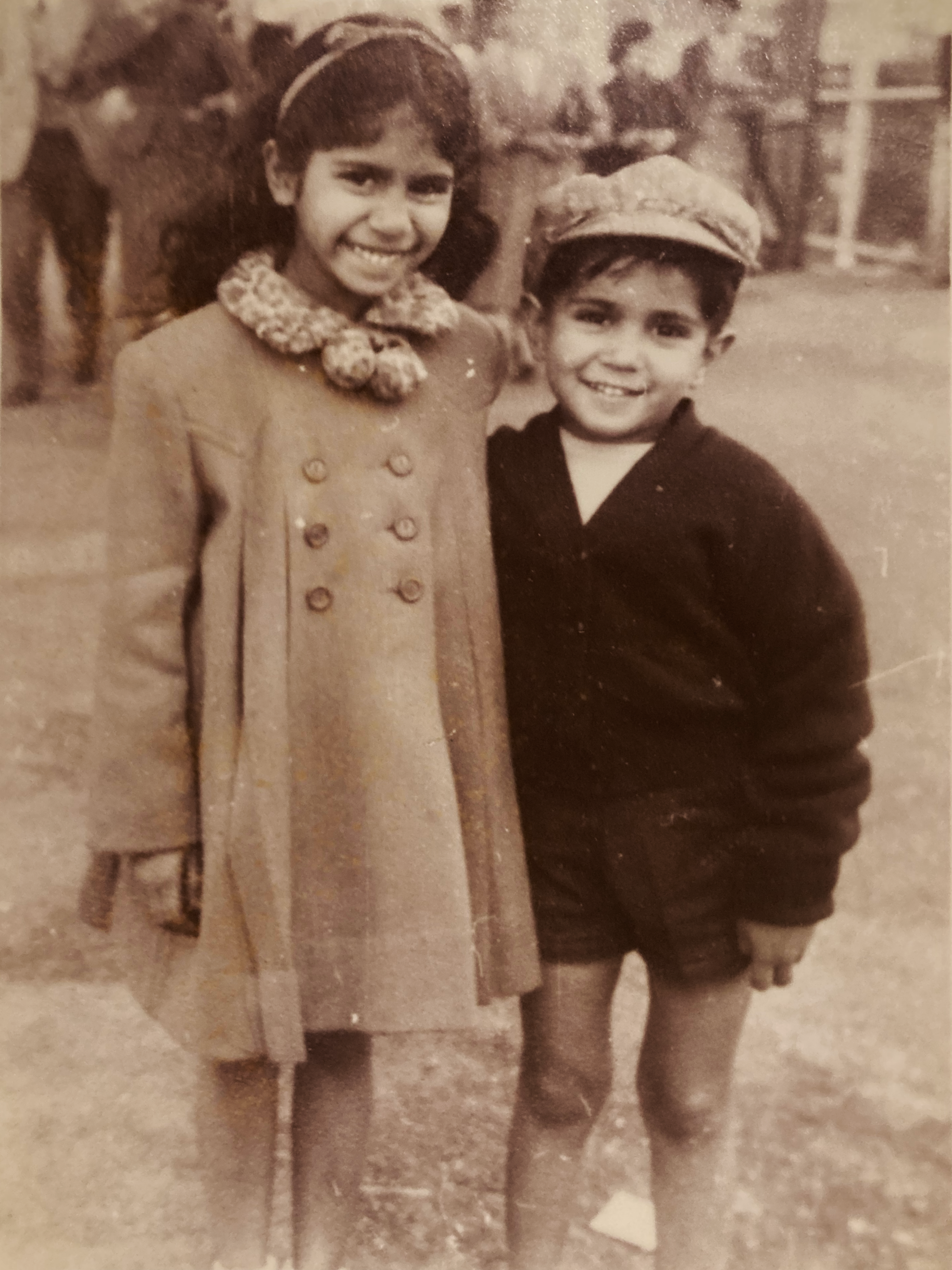
Cribbie, as it was fondly known, was home to numerous families, including many of my Aboriginal maternal families. It was a little enclave of mostly dilapidated but affordable housing.
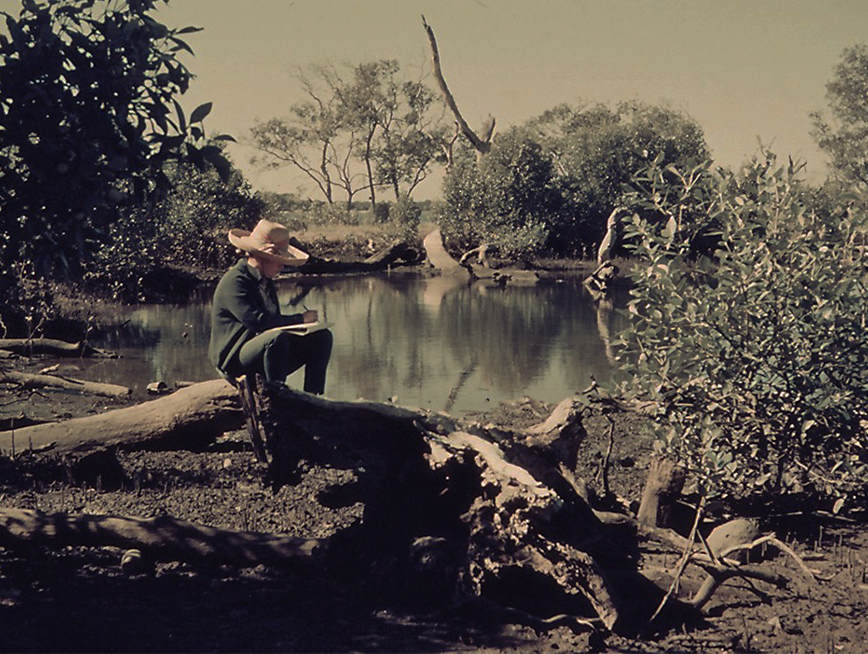
Over time its settlement of modest houses became weathered and shabby, with leaning walls and slowly sinking foundations. They were mostly beach or fishing shacks. I recall the old rattling timber bridge that crossed over the main creek, connecting the mainland to areas of swampy marsh land.
The land was often muddy with mangroves and sea swamps, providing great local fishing spots. Our family frequently visited relatives on the little Island. When tides were high, or heavy rain persisted, water would flood us in. I found it
exciting as a child, though my father watched the weather eagle-eyed. Dad had an old Bedford truck and often helped families move in and out of the area.
I remember the fish and chip shop where we would buy a shilling’s worth of hot chips; occasionally, three pence’s worth of mixed lollies.
We spent our days fishing, crabbing, swimming in the local creek and playing street cricket. Evenings were filled with music played from records or local guitars, while we played card games. I remember the older teenagers riding the wild horses that roamed the grassy paddocks and the beach.
Many of our Aboriginal families lived in that estate. As kids, our families were close friends with the Gibb family, whose sons eventually formed Australia’s famous Bee Gees band.
The Brisbane airport was nearby, and I recall the massive, low-flying aircrafts’ loud bursts of noise that broke the silence of the bay. There was always something happening in Cribbie.
Warunghu, Aunty Raelene Baker is Museum of Brisbane’s First Nations Cultural Governance Advisor with Cultural linkages to Yuggera, Girrimay and Birri Nations.